



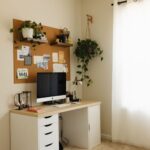
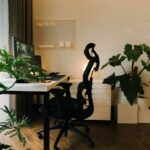
Creating a home office that is both relaxing and productive can greatly enhance your work-from-home experience. Whether you’re working full-time remotely or occasionally need a dedicated space, your environment can impact your focus, mood, and efficiency. The good news is that with some thoughtful planning and simple changes, you can design a home office that inspires creativity and keeps stress at bay.
Choose the Right Location
The first step in setting up a home office is selecting a spot that supports concentration and comfort.
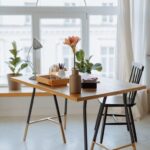
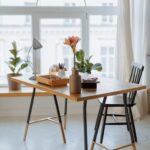
– Natural light: Aim to pick a space with plenty of natural light, such as near a window. Sunlight improves mood and energy levels.
– Away from distractions: Avoid high-traffic areas or noisy rooms like the kitchen when possible.
– Separate from relaxation spaces: If you can, choose a dedicated room or corner that’s solely for work, helping your brain separate work time from downtime.
Invest in Comfortable Ergonomics
Your body spends hours at your desk, so comfort and posture are essential for long-term health and productivity.
– Desk and chair: Choose an adjustable chair with good lumbar support. Pair it with a desk that fits your height and working style.
– Monitor placement: Keep your monitor at eye level to reduce neck strain.
– Keyboard and mouse: Position these close enough to avoid overreaching, and consider ergonomic options.
Keep Your Space Tidy and Organized
A cluttered desk can create mental clutter, leading to distractions and stress.
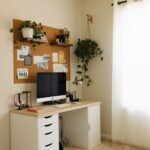
– Use storage solutions: Shelves, drawer organizers, and filing cabinets can keep papers and supplies neat.
– Minimal décor: While personal touches are nice, keep decorations simple to avoid visual noise.
– Daily clean-up: Spend a few minutes at the end of each day putting things away.
Create a Soothing Color Scheme
Colors influence mood and productivity, so be thoughtful about your office palette.
– Soft neutrals and pastels: Shades like soft blue, light green, or warm beige can promote calmness.
– Accent colors: Use energizing colors like yellow or orange sparingly, perhaps in accessories or artwork, to boost creativity.
– Avoid overly bright colors: Intense reds or bright hues might be distracting or tiring.
Control Lighting
Good lighting reduces eye strain and helps maintain alertness.
– Natural light: Maximize daylight during working hours.
– Task lighting: Add a desk lamp with adjustable brightness.
– Ambient lighting: Use soft overhead lights to create a balanced atmosphere.
Incorporate Greenery
Adding plants to your office can improve air quality and bring a sense of tranquility.
– Low-maintenance plants: Succulents, snake plants, or pothos are easy to care for.
– Placement: Position plants near your workspace but not so close as to crowd your desk.
Minimize Noise Distractions
Noise can disrupt focus, so find ways to reduce or manage sound.
– Noise-canceling headphones: Great for blocking out background noise.
– Soft furnishings: Curtains, rugs, and cushions absorb noise.
– White noise machines or apps: These can mask sudden sounds and help maintain concentration.
Personalize with Purpose
Personal touches can make your space more inviting and inspiring without causing clutter.
– Inspirational items: Quotes, photos of loved ones, or meaningful art.
– Functional décor: Attractive organizers or a stylish calendar.
– Limit distractions: Avoid anything that may tempt you to procrastinate.
Establish a Routine and Boundaries
Your environment supports your habits. Setting routines and clear boundaries can boost productivity.
– Set working hours: Stick to a schedule similar to a traditional office.
– Use your office only for work: Avoid doing non-work activities in this space to keep your mind focused.
– Take breaks: Regular breaks refresh your focus and reduce fatigue.
Leverage Technology Efficiently
Ensure your tech setup is both functional and streamlined.
– Reliable internet: A strong connection prevents frustrating disruptions.
– Cable management: Use clips and wraps to keep cords organized and out of the way.
– Essential devices: Only keep what you need on your desk to avoid clutter.
Final Thoughts
Designing a relaxing and productive home office space is about balancing comfort, organization, and personal style. By carefully considering your location, ergonomics, lighting, and décor, you can create an environment that helps you stay focused while feeling calm and motivated. Remember, your workspace should work for you—feel free to adjust and improve it as your needs evolve.