



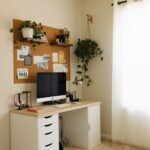



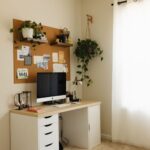

Creating a home workspace that feels both relaxing and productive can make a big difference in how you work each day. Whether you’re working remotely full-time or just need a dedicated spot for occasional tasks, designing a space that supports your focus and reduces stress helps you get more done with less frustration. Here are practical tips to create a home workspace that balances comfort and productivity.
Why a Relaxing Workspace Matters
A workspace that feels cluttered or chaotic can negatively affect your mood and concentration. On the other hand, a calm and organized environment helps clear your mind, improve focus, and fuel creativity. When your workspace is inviting and peaceful, you’re more likely to enjoy your work and maintain motivation throughout the day.
Choose the Right Location
The first step is finding a spot in your home that works well for your needs.
– Natural Light: Select a space with plenty of natural light. Sunlight boosts mood and energy while reducing eye strain. If natural light isn’t an option, use soft, warm artificial lighting to create a cozy feel.
– Quietness: Choose a location away from noisy areas or high traffic zones in your home to minimize distractions.
– Space: Make sure you have enough room for your desk, chair, computer, and any other tools you need without feeling cramped.
Invest in Comfortable Furniture
Comfort is key in maintaining productivity and preventing discomfort.
– Ergonomic Chair: Pick a chair that supports good posture. Adjustable chairs help you sit comfortably for extended periods.
– Desk Height: Choose a desk at a height that allows your arms to rest naturally while typing and writing.
– Supporting Accessories: Consider a keyboard tray, footrest, or monitor stand to reduce strain.
Keep It Organized
Clutter leads to stress and can slow you down. Stay organized by:
– Minimalism: Only keep essential items on your desk. Use drawers or shelves to store supplies out of sight.
– Cable Management: Use clips or sleeves to keep cords tidy and prevent tangling.
– Daily Cleanup: Spend a few minutes at the end of each day tidying your space to start fresh tomorrow.
Personalize Your Space Calmly
Adding personal touches makes your workspace feel inviting—but avoid overcrowding.
– Plants: Small plants improve air quality and add a touch of nature.
– Artwork: Choose soothing artwork or photos that make you smile.
– Colors: Use calming colors such as soft blues, greens, or neutrals in your decor.
Control Noise and Distractions
Maintaining a quiet environment helps your concentration.
– Headphones: Noise-cancelling headphones can block distractions.
– Background Music: Soft instrumental music or nature sounds can create a peaceful vibe.
– Set Boundaries: Communicate your work hours to others in your household to minimize interruptions.
Manage Lighting and Screen Time
Proper lighting reduces eye fatigue and improves focus.
– Adjustable Lighting: Use desk lamps with adjustable brightness depending on the task or time of day.
– Screen Position: Place your computer screen at eye level and about an arm’s length away to prevent neck and eye strain.
– Breaks: Follow the 20-20-20 rule: every 20 minutes, look at something 20 feet away for 20 seconds to rest your eyes.
Incorporate Movement and Break Areas
Taking breaks and moving around refreshes your mind and body.
– Stretch Spots: Keep space near your desk to stand and stretch.
– Break Area: If possible, create a separate nook for breaks with comfortable seating and relaxing items like books or a diffuser.
Use Scents and Air Quality
A pleasant atmosphere affects mood positively.
– Essential Oils: Scents like lavender and eucalyptus promote calm and focus.
– Ventilation: Open windows when possible to bring in fresh air.
– Air Purifiers: These can improve air quality, particularly in closed environments.
Establish a Routine
A consistent routine helps your mind associate your workspace with productivity.
– Start-of-Day Ritual: Begin with simple tasks like organizing your desk or making a cup of tea.
– End-of-Day Routine: Close your computer, tidy your workspace, and turn off lights to signal the end of work mode.
Final Thoughts
Creating a relaxing home workspace is about balancing comfort, organization, and personal touch. Small changes like adjusting lighting, adding plants, or decluttering your desk can significantly boost your ability to focus and enjoy your workday. Take the time to design a space where you feel calm and motivated—and productivity will naturally follow.