



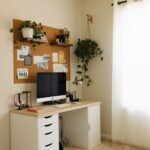



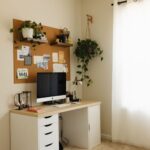


Creating a productive home office environment is essential for anyone working remotely or managing tasks from home. With the right setup and habits, you can increase your focus, reduce distractions, and maintain a healthy work-life balance. This guide offers practical tips to help you design and maintain a workspace that supports your productivity and well-being.
Choose the Right Location
Find a Dedicated Space
Select a quiet spot in your home where you can work consistently. Having a dedicated area helps signal to your brain that it’s time to focus and minimizes interruptions.
Consider Natural Light
Natural light can boost mood and energy levels, so try to position your desk near a window. If natural light is limited, invest in good artificial lighting that mimics daylight.
Invest in Comfortable and Functional Furniture
Ergonomic Chair and Desk
Comfortable seating with proper back support prevents strain and fatigue. An adjustable desk or one set at the right height helps maintain good posture and avoid discomfort during long hours.
Keep Essentials Within Reach
Organize your desk so frequently used items like your computer, notebook, and phone are easily accessible. This reduces time spent searching and helps maintain workflow.
Organize Your Workspace
Declutter Regularly
A clean and tidy workspace reduces distractions and anxiety. Commit to clearing your desk daily and organizing supplies with containers, shelves, or drawers.
Use Storage Solutions
Invest in organizers like filing cabinets, desk trays, or drawer dividers. Labeling storage areas can speed up locating documents and keep your workspace neat.
Minimize Distractions
Set Boundaries
Communicate your working hours to family or housemates, and ask for their cooperation in minimizing interruptions during those times.
Use Noise-Canceling Tools
If noise is unavoidable, consider noise-canceling headphones or white noise machines to help you concentrate.
Personalize Your Space
Add Inspiring Elements
Plants, artwork, or photos can make your workspace inviting and boost creativity. Choose items that make you feel motivated but avoid cluttering your desk.
Maintain a Comfortable Temperature
Ensure your workspace is neither too hot nor too cold, as discomfort can affect focus.
Optimize Technology and Connectivity
Reliable Internet Connection
A strong and stable internet connection is crucial for communication and productivity. Consider upgrading your plan or using an Ethernet cable for better performance.
Manage Cables and Devices
Use cable organizers to prevent tangling and keep your workspace clean. Keep only necessary devices on your desk to avoid clutter.
Create a Routine
Set Consistent Work Hours
Maintain regular working hours to establish a clear boundary between work and personal time, which helps prevent burnout.
Take Scheduled Breaks
Short breaks help refresh your mind and improve concentration. Use techniques like the Pomodoro method to balance focused work intervals and breaks.
Incorporate Healthy Habits
Stay Hydrated and Nourished
Keep water nearby and have healthy snacks available to maintain energy levels throughout the day.
Move Regularly
Incorporate stretching or short walks during breaks to reduce physical strain and improve circulation.
Use Productivity Tools
Task Management Apps
Tools like Trello or Asana can help you organize tasks and deadlines, keeping your work structured and manageable.
Calendar and Reminders
Schedule meetings and important deadlines using digital calendars and set reminders to stay on track.
—
By thoughtfully designing your home office and adopting productive habits, you can create an environment that supports your goals and well-being. Remember, the key is to make your workspace comfortable, organized, and suited to your unique needs. Take time to adjust and personalize your setup as you discover what works best for you.